-
- 可能 21, 2026 - 3 min read 67A travel eSIM is a digital SIM card that allows you to connect to mobile networks abroad without needing a physical SIM. In 2026, RoRo eSIM (https://roroesim.com/) has become one of the most popular choices for international travelers seeking affordable, reliable, and hassle-free connectivity across more than 200 countries.What Is a Travel eSIM?Unlike a traditional physical SIM card, an eSIM (embedded SIM) is built directly into your phone’s hardware. Instead of inserting a plastic chip, you download a digital profile using a QR code. This technology enables your phone to connect to local networks in foreign countries as if you had bought a local SIM.How Does a Travel eSIM Work Internationally?The process is straightforward and can be completed in a few minutes:1. Purchase a Plan
Before your trip, visit https://roroesim.com/ and choose a data plan for your destination or region. RoRo offers flexible options including fixed data (5GB, 10GB, 20GB) and unlimited-style plans. Pay securely -
- 可能 19, 2026 - 3 min read 76In today’s connected world, staying online while traveling has become easier than ever thanks to eSIM technology. If you’ve recently bought a new smartphone, you’ve likely seen the term “eSIM.” But what exactly is it, and how does it work? This guide explains everything you need to know, with a focus on how RoRo eSIM (https://roroesim.com/) makes global connectivity simple and affordable.What Is an eSIM?eSIM stands for embedded SIM. Unlike a traditional physical SIM card — that tiny plastic chip you insert into your phone — an eSIM is a digital SIM already built into your device’s hardware. It performs the same function as a physical SIM (identifying your phone on a mobile network) but does so entirely through software.First introduced in 2018 with the iPhone XS, eSIM technology has now become standard in most flagship phones, including iPhone 13 and later models, Samsung Galaxy S20 and newer, Google Pixel 3 and above, and many other Android devices.How Does an eSIM Work?The process
-
- 可能 15, 2026 - 3 min read 148Planning a trip to Spain and wondering whether to buy a local physical SIM card or use an eSIM? In 2026, this is one of the most common questions for travelers heading to Barcelona, Madrid, Seville, or the Balearic Islands. Here’s a clear comparison to help you decide, with RoRo eSIM (https://roroesim.com/) emerging as a strong contender for most visitors.Local SIM Card in Spain: The Traditional ChoiceMajor Spanish operators like Movistar, Vodafone, and Orange offer tourist SIM cards at airports and stores. These usually include calls, texts, and a data package.Advantages:
- Sometimes includes voice minutes and SMS.
- Can be purchased immediately upon arrival.
- Familiar option for many travelers.
- Long queues at airport kiosks, especially during peak season.
- Requires passport registration and filling out forms.
- You must physically insert the SIM, which can be risky for phones with fragile trays.
- Limited validity periods and sometimes complicated top-up processes.
- Expensive
-
- 可能 13, 2026 - 3 min read 92Many travelers who previously used Airalo are now making the switch to RoRo eSIM (https://roroesim.com/). Whether due to better pricing, more flexible plans, or improved features like delayed activation, the transition is straightforward and often worthwhile. This quick guide will help you switch smoothly and make the most of RoRo eSIM.Why Switch from Airalo to RoRo eSIM?While Airalo is popular for its wide selection and easy app, many users report switching to RoRo for several key reasons:
- Delayed Activation: RoRo’s biggest advantage — install the eSIM before your trip, but the validity only starts when you connect in the destination country. Airalo usually starts the countdown immediately after purchase.
- Better Value: RoRo often provides more competitive pricing for medium to long trips, with generous data packages and easy top-ups.
- Stronger Customer Support: RoRo offers responsive 24/7 support via live chat, WhatsApp, and email, which many travelers find faster and more helpful
-
- 可能 12, 2026 - 3 min read 89When traveling to Thailand, staying connected is essential for using Grab, Google Maps, Line, and social media. Travelers often face the dilemma: should they buy a local physical SIM card upon arrival or opt for a modern eSIM like RoRo eSIM (https://roroesim.com/)? Here’s a detailed comparison to help you decide.Local SIM Card: The Traditional OptionAt Bangkok’s Suvarnabhumi Airport or any major Thai city, you can easily purchase a physical SIM from AIS, TrueMove, or DTAC. These SIMs are relatively cheap and offer good local rates.Advantages:
- Often includes voice calls and SMS.
- Available immediately at the airport.
- Long queues at arrival.
- Requires passport registration and filling out forms.
- You must physically insert the SIM, risking damage to your phone’s tray.
- Limited validity periods and sometimes complicated top-up processes.
- If your phone has a sealed SIM tray or you use dual-SIM, switching becomes troublesome.
-
- 可能 07, 2026 - 3 min read 57In recent years, a growing number of travelers have been making the switch from traditional physical SIM cards to eSIM technology. At the forefront of this shift is RoRo eSIM (https://roroesim.com/), a traveler-focused provider offering reliable data plans in over 200 countries. So, what’s driving this change?1. Convenience and SpeedGone are the days of hunting for SIM card shops at airports or struggling with language barriers. With RoRo eSIM, you can purchase a plan online, receive a QR code instantly, and install it on your phone before departure. The entire setup takes just a few minutes on Wi-Fi — no physical card to insert, no risk of damaging your phone’s SIM tray.2. Delayed ActivationOne of the biggest advantages of RoRo eSIM is delayed activation. You install the profile in advance, but the plan’s validity only begins when you first connect in your destination country. This feature alone saves travelers from wasting paid days during long flights or layovers — a common
-
- 可能 06, 2026 - 2 min read 80Planning a trip to Turkey in 2026 — whether exploring Istanbul’s historic streets, relaxing in Cappadocia, or enjoying the beaches of Antalya — requires reliable and affordable mobile data. Two popular options are RoRo eSIM (https://roroesim.com/) and Airalo. Here’s a detailed comparison to help you decide which is better for your Turkey adventure.Coverage and Network PerformanceBoth providers offer good coverage in Turkey through local operators like Turkcell, Vodafone, and Türk Telekom.
RoRo eSIM often performs better in rural and remote areas because it connects to multiple networks and automatically selects the strongest signal. Many travelers report stable connections even in Cappadocia and coastal regions.
Airalo is reliable in major cities like Istanbul and Izmir, but some users experience occasional drops or slower speeds outside urban centers.Winner: RoRo eSIM for more consistent nationwide coverage.Pricing and ValueRoRo generally offers competitive pricing with flexible -
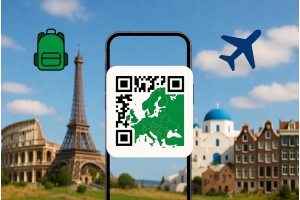
- 四月 30, 2026 - 2 min read 69Summer vacations in Europe are a dream for many travelers — from sunbathing on the beaches of Greece and Spain to exploring the charming streets of Paris, Rome, and Amsterdam. To make the most of your trip without worrying about expensive roaming fees or unreliable Wi-Fi, having a reliable unlimited Europe eSIM is essential. In 2026, RoRo eSIM (https://roroesim.com/) stands out as one of the best choices for unlimited data across Europe.RoRo eSIM provides strong coverage throughout the European Union and beyond, including popular summer destinations such as France, Italy, Spain, Greece, Germany, the Netherlands, Portugal, and many more. By partnering with major local operators, RoRo ensures fast 4G/5G speeds whether you’re island-hopping in Greece, road-tripping through Tuscany, or enjoying city breaks in Barcelona and Prague.Why RoRo Unlimited Europe eSIM is Ideal for Summer
- True Multi-Country Coverage: One plan works seamlessly as you travel across borders — no need to switch SIMs
-
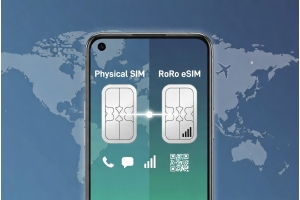
- 四月 28, 2026 - 3 min read 90In 2026, travelers face a clear choice when it comes to mobile connectivity: the traditional physical SIM card or the modern eSIM. With RoRo eSIM (https://roroesim.com/) leading the way in traveler-focused solutions, understanding the differences between these two options has never been more important.What is a Traditional SIM Card?A traditional SIM card is a small physical plastic chip that you insert into your phone. You usually buy it at an airport, phone shop, or convenience store upon arrival. While widely available, it comes with several drawbacks:
- Requires physical insertion and potential risk of damaging the SIM tray.
- Often involves passport registration and long queues.
- Limited flexibility — once activated, changing plans or providers is inconvenient.
- Risk of losing the tiny card during travel.
-
- 四月 27, 2026 - 2 min read 80Traveling in 2026 has become more convenient thanks to innovative solutions like RoRo eSIM (https://roroesim.com/). With coverage in over 200 countries, RoRo eSIM offers a reliable, affordable, and hassle-free way to stay connected. Here are 10 compelling reasons why RoRo eSIM is a smart choice for modern travelers.1. Instant Access & Easy Setup
RoRo eSIM allows you to purchase a plan online and receive a QR code instantly. Installation takes just a few minutes on Wi-Fi — no need to visit airport kiosks or deal with physical SIM cards.2. Delayed Activation for Maximum Value
One of RoRo’s smartest features is delayed activation. You can install the eSIM profile before your trip, but the validity period only starts when you first connect in your destination country. This prevents wasting paid days during long flights or layovers.3. Affordable Pricing with No Hidden Fees
RoRo offers competitive rates for both fixed-data and unlimited-style plans. There are no activation fees, no contracts,
最新文章