-
- 十一月 28, 2025 - 3 min read 107
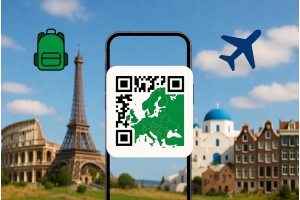
Traveling through Spain—whether wandering the historic streets of Barcelona or admiring the royal palaces in Madrid—you’ll want reliable mobile data for navigation, social media, ride-sharing, translation apps, hotel bookings, and travel maps. In 2025, using an eSIM is one of the most convenient ways to stay connected, and RORO eSIM stands out as an excellent choice for tourists visiting Spain. Here’s why, and how to make the most of it.
Instead of hunting for a physical SIM card after you land—going through stores, dealing with language barriers, or paying roaming charges—eSIMs offer a hassle-free alternative:
Instant online purchase & delivery — no need to visit kiosks or shops. With RORO, you can buy your Spain eSIM in advance.
No physical swap needed — your phone’s built-in eSIM profile handles connectivity; no card insertion.
Flexibility — works right when you land, and you can often top up or upgrade as needed.
Data + hotspot support — useful if you want to share internet with a laptop/tablet -
- 十一月 27, 2025 - 3 min read 102
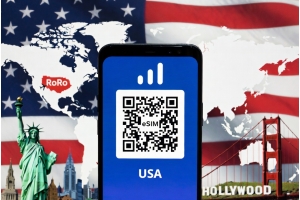
Traveling to the United States — whether for a quick city break, a cross-country road trip or business travel — often means needing reliable mobile data on the go. Instead of dealing with physical SIM cards, many travelers now turn to eSIMs for convenience and flexibility. Among those, RORO eSIM stands out as a top option for iPhone and Samsung users visiting the U.S. Here’s what makes it a great pick and how to get started.
Broad Coverage & Reliable Networks
RORO partners with major U.S. carriers, giving you access to 4G/5G networks across most states. Their global-travel eSIM coverage includes the U.S., so you get consistent data access even when traveling between cities or states.
This coverage works well on both iPhone and Android/Samsung devices that support eSIM — ideal for modern travelers who want seamless connectivity without changing SIM cards.Easy Online Purchase and Activation
With RORO, you can buy your U.S. eSIM plan online before you leave — no need to hunt for a local -
- 十一月 26, 2025 - 3 min read 163
Visiting China and worried about how to stay connected without swapping physical SIM cards? Thanks to eSIM technology, many travelers now skip the hassle of buying local SIMs or dealing with roaming charges. With the right planning and a service like RORO eSIM, you can get portable internet access on your smartphone even before you board the plane. Here’s how to do it — and what to watch out for.
An eSIM (embedded SIM) is a digital SIM profile built into your phone, which lets you download and activate data plans without a plastic SIM card. If your phone supports eSIM (you can check under settings for an “EID” or eSIM entry) you’re good to go.
For travelers to China, an eSIM offers:
Pre-planning: buy and install before departure, so you land ready to connect.
Avoiding inconvenient local SIM purchase and registration at Chinese airports or stores.
Flexibility: data-only plans, no need for a Chinese phone number if you don’t need local calls.
Official guidance from major device makers confirms -
- 十一月 25, 2025 - 3 min read 118
Traveling to Japan in 2025? Whether you’re landing in Tokyo, exploring Kyoto, or heading to Hokkaido, having a fast, reliable mobile data connection from the moment you arrive can make all the difference. With RORO eSIM, you can install your Japanese data plan ahead of time and be online within minutes of landing—no physical SIM swap, no airport queue. Here’s how to do it step-by-step.
Step 1: Pre-Departure Preparation
Before you board your flight:
Check device compatibility: Make sure your smartphone supports eSIM and is unlocked. Most recent iPhones and Androids do.
Choose your RORO Japan plan at roroesim.com/en/japan-travel-esim
where you’ll find both fixed data (1 GB, 3 GB, 5 GB, etc.) and unlimited-data options (valid for 2 to 30 days)
Purchase the plan online: After checkout you’ll receive a QR code or activation details in your account dashboard.
Save the QR code and installation instructions offline (screenshot or email) so you’re ready even if airport WiFi is slow.Step 2:
-
- 十一月 24, 2025 - 3 min read 95
In 2025, when you travel internationally—whether for leisure or work—a smart, affordable, and instant way to stay connected is by buying an eSIM online. Gone are the days of swapping physical SIM cards at airports or paying hefty roaming charges. This guide explains how to buy an eSIM online, what to look for, how much it costs, and why RORO eSIM is one of the best choices for travellers.
Step 1: Check Device Compatibility & Unlock Status
Before purchasing any eSIM online, ensure your smartphone or tablet supports eSIM. Many recent models (iPhones from XR onward, recent Samsung Galaxy phones, Google Pixel, etc.) include eSIM capability. RORO’s “How to install RORO eSIM” guide clearly outlines this step.
Additionally, your device should be unlocked so it can connect to networks in other countries or through partner networks used by your eSIM provider.Step 2: Choose Your Destination & Plan
When buying an eSIM online, you’ll typically select:
Destination or region (e.g., United States, -
- 十一月 20, 2025 - 3 min read 370
When choosing how to stay connected while traveling or living abroad, one of the most important decisions is whether to go with a prepaid eSIM or a postpaid plan. Each option has strengths and trade-offs, and the right choice depends on your usage patterns, travel style, and budget. Using RORO eSIM as an example, here’s a breakdown of both approaches and which may suit you best.
A prepaid eSIM is a data plan you buy in advance, usually for a fixed number of gigabytes or a limited validity period (days or months). With RORO, for instance, you can choose a plan before you travel, receive a QR code, and install it so you’re ready once you arrive.
Pros of Prepaid eSIMs
No Contract, No Commitment: Since you pay in advance, you’re not tied to a multi-month or multi-year contract.
Control Over Spending: You buy exactly how much data you think you'll need — RORO allows data top-ups so you don’t overpay.
Flexible for Travel: Ideal for trips where you might only need data for a few days or weeks. -
- 十一月 19, 2025 - 3 min read 137
Roaming charges can quickly become a nasty surprise when traveling internationally. But with a modern eSIM, you can avoid these costs while staying reliably connected. Using RORO eSIM as an example, here’s how you can sidestep expensive roaming bills and ensure data stays affordable while abroad.
When you rely on your home mobile plan and roam abroad, every byte of data may count against expensive daily or per-megabyte roaming rates. Instead, choose a travel-dedicated eSIM like RORO:
RORO eSIM gives you access to local networks in over 200 countries by partnering with 300+ local operators.
Because RORO is designed specifically for data travel, you pay local or regional data-plan rates instead of your home carrier’s roaming tariffs.
By switching your data usage to RORO’s profile, you avoid your main SIM’s roaming costs entirely — as long as you set your phone to use the eSIM for data.One of the best ways to avoid accidental roaming is to install your eSIM ahead of time and only activate
-
- 十一月 18, 2025 - 2 min read 114
As global travel becomes more convenient, staying connected abroad has become a top priority for tourists, business travelers, and digital nomads. Traditional roaming plans are often expensive, and buying a physical SIM card overseas can be inconvenient. This is where eSIM technology—especially providers like Roro eSIM—offers a modern, flexible, and affordable solution for international connectivity. Here’s everything you need to know about setting up an eSIM, how much it costs, and why it’s quickly becoming the preferred choice for travelers worldwide.
An eSIM (embedded SIM) is a digital SIM card built directly into your smartphone or tablet. Instead of inserting a physical SIM, you activate a mobile plan by simply scanning a QR code or entering an activation code. With eSIM, you can switch between carriers instantly and store multiple plans without swapping hardware.
Popular devices that support eSIM include iPhone XR and later, Samsung Galaxy S20 and newer, Google Pixel phones, and many -
- 十一月 15, 2025 - 3 min read 122
Choosing the right eSIM plan before you travel can make a big difference in how smoothly you stay connected — without burning through your data or blowing your budget. With so many options, it's important to weigh different factors carefully. Using RORO eSIM as an example, here’s a guide to help you pick the best eSIM plan for your trip.
Start by estimating how much data you will realistically need:
Light usage (e.g., maps, messaging, email): Around 0.5–1 GB/day is often enough. RORO recommends fixed data plans for this kind of trip.
Moderate usage (e.g., video calls, social media, travel research): Aim for 1–3 GB/day.
Heavy usage (e.g., streaming, hotspot sharing, working from the road): Consider unlimited or very high-data plans. According to RORO’s FAQ, their unlimited plans are designed for users with higher data needs.
If you're not sure how much you'll use, RORO suggests estimating daily usage, choosing a plan, and relying on their top-up feature later if needed.RORO offers both
-
- 十一月 12, 2025 - 3 min read 326
If you’re planning a trip to Thailand, whether it’s bustling Bangkok, relaxing Chiang Mai, or seaside Phuket, staying connected is essential. Two popular options travel-wise are renting a Pocket WiFi router or purchasing an eSIM data plan like RORO eSIM. Here’s how they compare—so you can decide which fits your travel style.
A pocket WiFi router is a portable hotspot device you rent (or buy) in Thailand. You turn it on, and multiple devices (phones, tablets, laptops) connect via WiFi.
Pros:
Ideal for groups or families: several devices can connect simultaneously through one router.
Often has a local SIM inside, giving you full Thai mobile-network connectivity.
No swapping SIMs on your phone—just keep your home SIM active (or eSIM for home) and connect via WiFi.
Good for devices that don’t support eSIM or dual SIM.
Cons:
You have to carry a separate device, keep it charged, and manage it (battery, charger, deposit, return).
Rental cost adds up—daily rental fee, possible deposit, return logistics.
切换导航