
Traveling to Spain — whether you’re exploring Madrid’s museums, wandering Barcelona’s Gothic Quarter, or sunning on the Costa del Sol — staying connected makes your trip easier and more enjoyable. In 2025, eSIM technology has become one of the most convenient ways to access mobile data abroad without expensive roaming fees or physical SIM cards. RORO eSIM is a popular choice among travelers for Spain thanks to its flexible data plans, easy setup, and broad network coverage.
Here’s a step-by-step guide to help you choose the right data plan for your Spanish trip.
Step 1: Understand Your Data Needs
Before you pick a plan, think about how you’ll use data while in Spain. Different usage patterns require different data amounts:
Light Use: Checking email, messaging, and occasional map lookups
Moderate Use: Navigation, social media browsing, ticket bookings
Heavy Use: Video streaming, cloud uploads, frequent video calls
For example, a short city break of 3–4 days may only need 3–5 GB, whereas a longer vacation or heavy social posting might call for 10–20 GB or more.
Step 2: Fixed vs Unlimited-Style Plans
When choosing data plans, you’ll generally see two types:
Fixed Data Plans
These give you a set amount of data (e.g., 5 GB, 10 GB) valid for a certain period (like 7–30 days). They’re predictable — once you use up the data, you stop consuming and can top up as needed. Many Spain eSIM providers have fixed data options that fit various trip lengths and budgets.
Unlimited-Style Plans
Some providers (including many travel eSIMs) offer “unlimited” data plans that come with daily fair-use caps. These let you use data freely until a daily threshold (e.g., ~3 GB/day) is hit before speeds may be reduced. Unlimited-style plans are useful if you anticipate heavy use like video calls or frequent map navigation without counting every megabyte.
RORO eSIM offers both types of plans, so you can select based on how you travel and how much data you expect to use.
Step 3: Match Plan Duration to Your Stay
Spain eSIM plans vary not just in data size but also in validity period:
Short trips (1–7 days): Small data packs or short unlimited plans
One-week trips (7–14 days): Mid-range data plans (e.g., 10–20 GB)
Long stays (2–4 weeks): Larger data packs or longer unlimited plans
If you’re staying for only a brief vacation, a smaller fixed data plan or a short unlimited plan is often most cost-effective. For longer stays, it may be more economical to choose a larger fixed plan or even a regional plan that spans multiple trips.
Step 4: Consider Network Coverage and Speed
Another important factor is network coverage. Spain has strong 4G/5G coverage in cities and many rural areas, thanks to providers like Movistar, Vodafone, Orange, and Yoigo.
Travel eSIM providers like RORO eSIM connect to these local networks for reliable service. Always check whether the plan uses major carriers and whether it supports 5G — especially if you’ll be in smaller towns or traveling around the country frequently.
Step 5: Factor in Price and Budget
Pricing varies by provider and data amount. Some travel eSIMs are inexpensive for small data bundles (e.g., a few GB for a week), while unlimited plans or large data packs naturally cost more. For comparison, other Spain eSIM providers typically offer plans such as:
3 GB for 30 days – ~$7–$8
5 GB for 30 days – ~$9–$10
10 GB for 30 days – ~$14–$18
20 GB for 30 days – ~$20–$26
Keep in mind that some local carriers also sell physical or eSIM plans directly, often with higher data amounts at competitive prices — but these may require in-country registration and a local address.
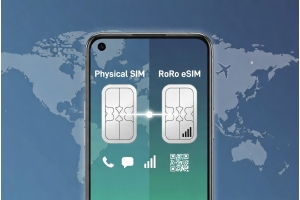
With RORO eSIM, you pay online before travel, receive the QR code instantly, and install the plan without physical visits or paperwork. Plus, you can top up data easily through your account if you need more during your trip.
Step 6: Installation and Activation Timing
Install your eSIM before you depart so you’re connected immediately on landing. Many travel eSIM services recommend installing while you’re still on Wi-Fi — this avoids any local activation issues at your destination and ensures you have connectivity right when you need it.
For example, with RORO eSIM, you’ll receive the QR and installation details as soon as you purchase, and can test the setup at home before your trip.
Final Tips
Monitor your data usage: Most phones show data usage per plan so you can adjust if needed.
Enable hotspot cautiously: Sharing your eSIM data with other devices can chew through data quickly.
Plan for offline maps: Download essential maps and content before traveling to save data.