-
- Februar 10, 2026 - 3 min read 232
Modern travel often means juggling multiple devices — a smartphone, tablet, laptop, or even a travel companion’s phone. When you’re on the go, especially abroad, keeping all of these connected without paying expensive roaming fees can be challenging. Fortunately, with an eSIM data plan like RORO eSIM, you can easily share your mobile data between devices using your phone’s hotspot feature. This guide explains how to set up and use your eSIM hotspot so you stay connected seamlessly on your trip.
What Is a Hotspot and Why It Matters
A hotspot turns your phone into a mini-Wi-Fi router. This allows other devices — such as tablets, laptops, or your travel partner’s phone — to connect to the internet through your phone’s mobile data connection. If you’re using a travel eSIM like RORO, this means sharing your eSIM data with all your devices without needing separate SIMs or local Wi-Fi.
Travelers appreciate hotspot sharing because it:
Reduces the need for extra SIM cards or devices
Keeps multiple -
- Februar 09, 2026 - 3 min read 109
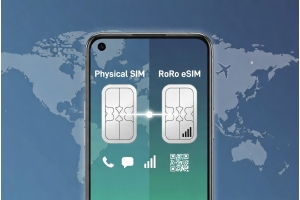
In 2025, dual SIM phones — whether iPhones or Android devices — make managing mobile connectivity easier than ever, especially for travelers. With a dual SIM setup, you can keep your home number active on one line and use a travel eSIM on the other for data abroad. One of the most convenient ways to stay connected internationally is through RORO eSIM, a digital SIM solution that lets you install and activate data plans without needing a physical SIM card. In this guide, we’ll walk you through how to activate an eSIM on dual SIM phones step-by-step, ensuring seamless connectivity for your trip or daily life.
What You Need Before Activation
Before you begin, make sure you have the following:
A compatible dual SIM phone — most recent iPhone models and many Android devices (Samsung Galaxy, Google Pixel, etc.) support eSIM alongside a physical SIM.
Your eSIM QR code or activation details — purchased from a provider like RORO eSIM. You’ll typically receive this immediately via email after purchase. -
- Februar 05, 2026 - 3 min read 86
Traveling abroad in 2025 looks very different from even just a few years ago. For most globetrotters, staying connected — to maps, translation apps, social media, email, and navigation — is just as important as packing a passport and itinerary. Traditional roaming plans from home carriers have long been expensive and unreliable in many countries, and buying local SIM cards often required long lines, language barriers, and physical SIM swaps. Now, however, eSIMs (embedded SIMs) are transforming how travelers stay connected, making international mobile data simpler, faster, and more affordable than ever. Among the eSIM providers leading this shift is RORO eSIM, whose flexible, global plans are helping redefine travel connectivity for tourists, business travelers, and digital nomads alike.
What Exactly Is an eSIM?
An eSIM is a digital version of a traditional SIM card that’s built into your device — no physical card required. Instead of inserting a SIM chip, you download a data plan as a -
- Februar 04, 2026 - 3 min read 631
Thailand remains one of the most popular destinations for travelers in 2026 — from the vibrant streets of Bangkok and the beaches of Phuket to the cultural charms of Chiang Mai. Whether you’re on holiday, a digital nomad working by the sea, or visiting for business, having reliable high‑speed data throughout your trip is essential. Today’s best solution for tourists and long‑stay visitors is an unlimited data eSIM — especially those that offer easy installation, broad coverage, and excellent value. Among the top choices for Thailand, RORO eSIM stands out as one of the best options thanks to its simple setup, flexible plans, and strong network use.
Why Choose an Unlimited Data eSIM in Thailand
Traditional roaming from your home carrier often comes with high charges and unpredictable speeds. Local SIM cards are affordable but require in‑country purchase, paperwork, and often registration with a Thai ID — which can be cumbersome for short‑term visitors. An eSIM eliminates physical SIM swaps -
- Februar 02, 2026 - 3 min read 92
Traveling to Spain — whether you’re exploring Madrid’s museums, wandering Barcelona’s Gothic Quarter, or sunning on the Costa del Sol — staying connected makes your trip easier and more enjoyable. In 2025, eSIM technology has become one of the most convenient ways to access mobile data abroad without expensive roaming fees or physical SIM cards. RORO eSIM is a popular choice among travelers for Spain thanks to its flexible data plans, easy setup, and broad network coverage.
Here’s a step-by-step guide to help you choose the right data plan for your Spanish trip.
Step 1: Understand Your Data Needs
Before you pick a plan, think about how you’ll use data while in Spain. Different usage patterns require different data amounts:
Light Use: Checking email, messaging, and occasional map lookups
Moderate Use: Navigation, social media browsing, ticket bookings
Heavy Use: Video streaming, cloud uploads, frequent video calls
For example, a short city break of 3–4 days may only need 3–5 GB, whereas -
- Januar 29, 2026 - 3 min read 215
If you’re traveling in Thailand — exploring Bangkok’s temples, relaxing on the beaches of Phuket, or trekking through Chiang Mai — staying connected is essential for maps, messaging, and ride-hailing apps. Traditionally, travelers used pocket Wi-Fi or local SIM cards, but modern eSIM services like RORO eSIM make internet access easier and more flexible. One question many travelers have is: Can I share my eSIM data with other devices? The answer is yes — and here’s how to do it safely and effectively.
How eSIM Data Sharing Works
When you use an eSIM such as RORO eSIM in Thailand, you get a mobile data plan installed directly on your smartphone. These plans are data-only and do not replace your primary SIM for phone calls or SMS; instead, they provide high-speed internet through Thailand’s local networks (like TrueMove H and AIS).
Many eSIM plans — including RORO’s Thailand offerings — allow hotspot or tethering functionality. This means your phone can share its mobile data connection wirelessly -
- Januar 28, 2026 - 3 min read 700
Traveling in China can be an amazing experience — but when it comes to mobile internet, it’s often a bit confusing for foreign visitors. China’s internet infrastructure restricts many Western services like Gmail, Google Maps, Facebook, Instagram, and others behind the Great Firewall. In the past, accessing these sites usually meant using a VPN (Virtual Private Network). However, in 2025, many travel eSIM solutions — including RORO eSIM — make it possible for tourists to stay connected and access many apps without a separate VPN. Here’s how to use an eSIM safely in China and understand what you can and cannot access without VPN.
Does eSIM Work in China Without a VPN?
Yes — many international travel eSIMs can be used in China without installing a separate VPN on your phone. With providers like RORO eSIM, plans are available that connect directly to Chinese networks (such as China Mobile International) and route data with international gateways. This setup often allows you to access many familiar -
- Januar 27, 2026 - 3 min read 138
Traveling to Turkey — whether it’s to explore Istanbul’s historic skyline, relax on Antalya’s beaches, or watch balloons rise over Cappadocia’s valleys — you’ll almost certainly want reliable mobile data. Traditional SIM cards can be inconvenient to buy abroad, and roaming from your home carrier can be expensive. That’s why many tourists today choose eSIMs — digital SIM profiles you install directly on your phone. Among the most popular travel eSIM options is RORO eSIM, which lets you buy and install your plan before departure so you’re ready to connect as soon as you land in Turkey.
Installing a Turkey eSIM on your iPhone 15 is straightforward when you know the steps — and doing it before you leave home is especially important, as some eSIM provider websites and apps may be restricted once you’re in Turkey.
What You Need Before You Begin
Before you start, make sure you have the following:
An eSIM-compatible phone: Your iPhone 15 supports eSIM without needing a physical SIM card.
RORO eSIM -
- Januar 26, 2026 - 3 min read 108
Staying connected while traveling internationally has never been more essential. Whether you’re a vacationer exploring new cities, a business traveler hopping between meetings, or a digital nomad working across continents, dependable mobile data is a must. In 2025, traditional SIM cards and expensive roaming plans are quickly being replaced by eSIMs — digital SIM profiles that you install on your device without needing a physical SIM. Among the many options available, RORO eSIM stands out as one of the best choices for global travelers, thanks to its broad coverage, cost-effective plans, simplicity, and strong customer support.
Wide Global Coverage
One of the biggest advantages of RORO eSIM is its extensive global coverage. With plans that work in over 200 countries and regions, supported through partnerships with more than 300 local operators, RORO ensures you stay connected virtually anywhere your travels take you — from bustling capitals to remote destinations.This means you don’t need
-
- Januar 23, 2026 - 3 min read 102
Traveling to the United States and need reliable mobile connectivity without expensive roaming charges? An eSIM is one of the easiest and most cost-effective solutions for tourists. Unlike traditional SIM cards, eSIMs are digital SIM profiles you install straight onto your phone — no physical SIM swapping needed. Providers like RORO eSIM offer competitive plans that suit short stays, long vacations, and heavy data use, with instant activation and coverage on major U.S. networks like AT&T and T-Mobile.
In this guide, we compare popular types of USA eSIM plans — including Roro’s — to help you pick the best fit for your trip.
RORO eSIM USA Plans
RORO eSIM offers a wide range of data plans tailored for different travel needs, from light use to heavy streaming:
Fixed Data Plans:
1 GB / 7 days – $4
3 GB / 20 days – $8
5 GB / 30 days – $13
10 GB / 30 days – $23
20 GB / 30 days – $30
50 GB / 90 days – $60Unlimited-Style Plans:
2 days – $9
5 days – $21
7 days – $29
10 days – $37
20 days – $62
30
Navigation umschalten