As international travel continues to rebound in 2025, staying safely connected is a top concern for many travelers. With the rise of eSIM technology, backpackers, business travelers, and digital nomads increasingly choose digital SIMs like RORO eSIM over physical SIM cards. But how secure are eSIM connections when you’re abroad? This article explores the security benefits and potential risks of using an eSIM while traveling, along with tips to protect your data and privacy.
What Makes eSIMs Secure?
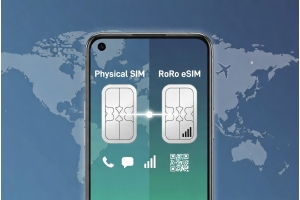
At its core, an eSIM (embedded SIM) is a software-based SIM profile stored directly on your phone rather than on a removable card. This setup offers several intrinsic security advantages compared to traditional physical SIMs:
Embedded, Harder to Remove
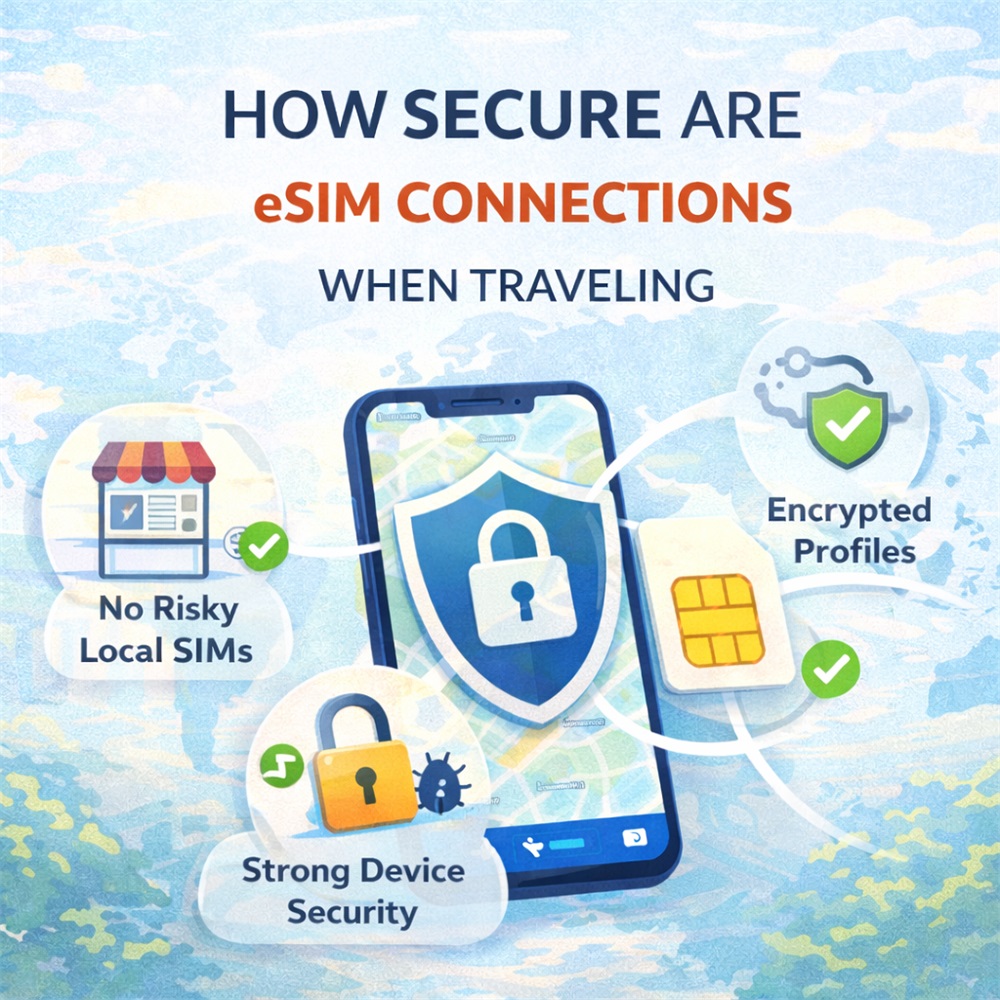
Unlike physical SIM cards that can be easily removed and reused, eSIMs are embedded in your device’s hardware. This means thieves or opportunistic attackers cannot physically extract or clone your eSIM profile simply by getting hands on your phone — making it inherently more secure against physical tampering.
Encrypted and Managed Securely
When you activate a travel eSIM like RORO eSIM, the profile is provisioned through a secure encrypted connection, and a secure element in your device stores it in a way that’s isolated from normal apps and operations. These security measures make unauthorized access to your eSIM credentials difficult even if your device faces software threats.
Avoiding Risky Local SIM Cards
Buying a local SIM from a street vendor or an unverified kiosk abroad can pose a range of risks — including spyware, malware, or compromised cards. eSIMs let travelers skip these potentially unsafe channels and instead install a verified plan (such as those from RORO) before leaving home.
Real-World Risks to Be Aware Of
While eSIM technology itself is designed with strong protections, no connectivity solution is completely immune to risk. Here are some of the security concerns travelers should know about:
Public Wi-Fi and Network Attacks
One of the biggest threats is using unsecured public Wi-Fi networks to activate or use your eSIM abroad. Rogue hotspots, packet sniffing, or “man-in-the-middle” attacks can expose data traffic if unencrypted — even if your eSIM connection itself is securely authenticated.
Best practice: only activate or use sensitive services over trusted connections or with a VPN enabled.
Phishing and Fake eSIM Providers
A surprising number of scams involve fake eSIM vendors offering “too good to be true” plans or fraudulent QR codes. Downloading and installing such profiles can compromise your device or personal data.
Solution: Always purchase eSIM plans from reputable providers like RORO eSIM directly through the official site to avoid malicious or uncertified profiles.
Device Security Matters
Even a secure eSIM can be compromised if your device lacks basic protections. Outdated software, weak PINs, or malware can give outsiders a way into your phone and ultimately your connectivity profiles.
Recommendation: make sure your device — whether iPhone or Android — is regularly updated and protected with strong passcodes or biometrics.
How to Maximize eSIM Security While Traveling
Here are some actionable strategies to make your eSIM usage abroad as secure as possible:
1. Use Official Providers Only
Choose well-known and reputable providers like RORO eSIM for travel plans. This reduces the risk of fake profiles or malicious provisioning requests.
2. Activate on Secure Networks
Install and activate your eSIM on a trusted Wi-Fi network — preferably before you depart. Avoid doing sensitive setup on unsecured public Wi-Fi in airports or cafes.
3. Enable VPN for Sensitive Traffic
Even with cellular data, using a VPN (Virtual Private Network) encrypts your internet traffic and protects your online activity from interception — especially important when accessing bank accounts, work accounts, or personal email.
4. Keep Your Device Updated and Locked
Regular operating system updates include security patches that protect against new threats. Combined with strong device lock settings (PIN, fingerprint, face ID), this drastically reduces your risk.
5. Monitor Your Data Usage and Activity
Unusual spikes in data usage or unfamiliar apps appearing on your phone can be early signs of tampering. Keep an eye on your network usage and installed apps, and remove anything suspicious.
Are eSIMs Safer Than Physical SIMs?
In several ways, yes. Because eSIMs are embedded and managed securely, they’re less vulnerable to physical theft and cloning compared to traditional SIM cards. They also avoid the security pitfalls of buying SIMs from unknown outlets abroad.
However, eSIM security still depends on your device security practices and vigilance against network-based threats — for example, phishing or unsafe Wi-Fi. Combining a travel eSIM from a t