-
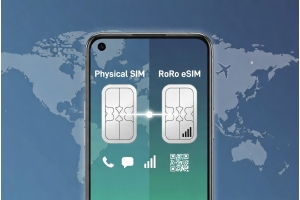
- June 04, 2026 - 2 min read 59Using an eSIM and physical SIM together (Dual SIM mode) is one of the smartest ways to stay connected while traveling internationally in 2026. This setup allows you to keep your home number active for calls and texts while using a travel eSIM like RoRo eSIM (https://roroesim.com/) for affordable high-speed data. It eliminates expensive roaming charges and gives you maximum flexibility.Why Use eSIM + Physical SIM Together?
- Keep your original phone number for important calls, WhatsApp, and SMS.
- Use RoRo eSIM exclusively for data (Google Maps, email, social media, video calls).
- Avoid high international roaming fees from your home carrier.
- Enjoy seamless connectivity in over 200 countries.
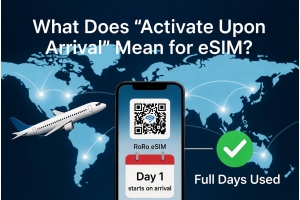
- Benefit from RoRo’s delayed activation — install before travel, activate only upon arrival.
- Purchase RoRo eSIM
Visit https://roroesim.com/, choose
-
- June 02, 2026 - 3 min read 49Business travel in 2026 demands reliable, fast, and flexible connectivity. Whether you're attending meetings in Europe, closing deals in Asia, or working remotely from the USA, staying online without high roaming costs is crucial. RoRo eSIM (https://roroesim.com/) has become a top choice for business travelers thanks to its flexible plans, strong global coverage, and traveler-friendly features.Key Requirements for Business TravelersBusiness professionals need more than just data. They require:
- High-speed, stable internet for video calls (Zoom, Teams, Google Meet)
- Reliable coverage in both major cities and secondary locations
- Flexible data options for short trips or extended stays
- Easy hotspot sharing for laptops and tablets
- The ability to keep their home number active for important calls
For heavy users who join multiple video calls daily, RoRo’s unlimited or high-data plans are ideal. These plans offer -
- May 31, 2026 - 3 min read 50Traveling abroad is exciting, but nothing ruins the experience faster than receiving a shocking phone bill after returning home. Traditional carrier roaming charges can cost $10–20 per day or more, quickly adding up to hundreds of dollars on a two-week trip. In 2026, smart travelers are turning to eSIM technology to completely avoid these expensive fees. RoRo eSIM (https://roroesim.com/) offers one of the most effective and affordable solutions for staying connected overseas without worrying about roaming charges.Why Traditional Roaming Is So ExpensiveWhen you travel with your home SIM card enabled, your carrier partners with foreign networks and charges premium “roaming” rates. These fees apply to calls, texts, and especially data usage. Even with “international packages,” costs remain high and data limits are often restrictive. This is where a travel eSIM becomes a game-changer.How RoRo eSIM Helps You Avoid Roaming ChargesRoRo eSIM provides local-rate data in over 200 countries by
-
- May 28, 2026 - 2 min read 79As eSIM technology becomes the standard for global connectivity, knowing whether your phone supports it is essential before purchasing a travel plan like RoRo eSIM (https://roroesim.com/). In 2026, the vast majority of flagship and mid-range smartphones from major brands are eSIM compatible, making international travel smoother and more affordable.How to Check if Your Phone Supports eSIMThe fastest way to verify eSIM support is to dial *#06# on your phone. If a 32-digit EID number appears, your device supports eSIM. You can also check in your phone’s settings: look for “Add eSIM” or “Download a SIM” under Cellular/Mobile Network.Major Brands with eSIM Support in 2026Apple iPhone
All iPhones from the iPhone XR/XS (2018) onward fully support eSIM. This includes the entire iPhone 16 and iPhone 17 series. Many newer models (especially in the US and select markets) are eSIM-only, with no physical SIM tray. RoRo eSIM works perfectly on all these devices.Samsung Galaxy
Samsung has offered -
- May 27, 2026 - 3 min read 70Activating an eSIM on your Android phone is quick, simple, and one of the smartest ways to stay connected while traveling internationally. In 2026, RoRo eSIM (https://roroesim.com/) makes the process even easier for Android users, offering affordable data plans with coverage in over 200 countries. Whether you have a Samsung Galaxy, Google Pixel, Xiaomi, or other eSIM-compatible Android device, this guide will walk you through the activation steps.Before You Start
- Confirm your Android phone supports eSIM (most models from 2020 onward do). Dial ***#06#** — if an EID number appears, your device is compatible.
- Purchase your RoRo eSIM plan in advance at https://roroesim.com/. You will receive a QR code and manual activation details instantly.
- Connect to stable Wi-Fi.
- Go to Settings > Network & Internet (or Connections on Samsung).
- Tap SIMs, Mobile Network, or SIM Manager.
- Select
-
- May 26, 2026 - 3 min read 62In 2026, more travelers are ditching physical SIM cards and switching to eSIM technology for international trips. If you’re wondering how to install an eSIM on your iPhone, you’re not alone. RoRo eSIM (https://roroesim.com/) has become one of the most popular choices for seamless, affordable connectivity in over 200 countries. This guide explains why travelers are making the switch and provides a simple, step-by-step tutorial for installing RoRo eSIM on your iPhone.Why Are Travelers Switching to eSIMs?Travelers are increasingly choosing eSIMs for several compelling reasons:
- Greater Convenience: No more airport queues, passport registration, or hunting for local SIM shops. You can install an eSIM before departure using Wi-Fi.
- Delayed Activation: RoRo eSIM’s standout feature — the plan only starts counting validity days when you connect in the destination country, preventing wasted days during long flights.
- Cost Savings: eSIM plans are significantly cheaper than traditional carrier
-
- May 24, 2026 - 3 min read 52In 2026, more travelers than ever are abandoning traditional physical SIM cards in favor of eSIM technology. Leading this shift is RoRo eSIM (https://roroesim.com/), a traveler-focused provider offering reliable data plans in over 200 countries. But what exactly is driving this widespread change?1. Unmatched ConvenienceThe biggest reason travelers are switching is convenience.Buying and installing a physical SIM card often involves long airport queues, language barriers, and passport registration. With RoRo eSIM, you purchase a plan online, receive a QR code instantly, and install it on Wi-Fi before departure — all in just a few minutes. No more hunting for shops or dealing with tiny plastic cards.2. Delayed Activation Saves MoneyRoRo eSIM’s delayed activation feature is a game-changer. You can install the eSIM profile in advance, but the validity period only starts when you first connect in your destination country. This prevents wasting paid days during long flights or
-
- May 23, 2026 - 3 min read 63In 2026, choosing between an eSIM and a traditional physical SIM card is one of the most important decisions for international travelers. While both technologies allow your phone to connect to mobile networks, they differ significantly in convenience, flexibility, and user experience. RoRo eSIM (https://roroesim.com/) has become a popular choice for those seeking a modern, hassle-free solution.What Is a Physical SIM Card?A physical SIM card is a small plastic chip containing your phone’s identity and network information. You insert it into your phone’s SIM tray. When traveling abroad, you typically buy a local physical SIM at an airport or store, register with your passport, and manually swap cards.Advantages:
- Widely available and familiar.
- Some plans include voice calls and SMS bundles.
- Requires physical insertion and removal.
- Risk of losing or damaging the tiny card or SIM tray.
- Long queues at airports and complicated registration processes.
- Limited flexibility —
-
- May 21, 2026 - 3 min read 59A travel eSIM is a digital SIM card that allows you to connect to mobile networks abroad without needing a physical SIM. In 2026, RoRo eSIM (https://roroesim.com/) has become one of the most popular choices for international travelers seeking affordable, reliable, and hassle-free connectivity across more than 200 countries.What Is a Travel eSIM?Unlike a traditional physical SIM card, an eSIM (embedded SIM) is built directly into your phone’s hardware. Instead of inserting a plastic chip, you download a digital profile using a QR code. This technology enables your phone to connect to local networks in foreign countries as if you had bought a local SIM.How Does a Travel eSIM Work Internationally?The process is straightforward and can be completed in a few minutes:1. Purchase a Plan
Before your trip, visit https://roroesim.com/ and choose a data plan for your destination or region. RoRo offers flexible options including fixed data (5GB, 10GB, 20GB) and unlimited-style plans. Pay securely -
- May 19, 2026 - 3 min read 76In today’s connected world, staying online while traveling has become easier than ever thanks to eSIM technology. If you’ve recently bought a new smartphone, you’ve likely seen the term “eSIM.” But what exactly is it, and how does it work? This guide explains everything you need to know, with a focus on how RoRo eSIM (https://roroesim.com/) makes global connectivity simple and affordable.What Is an eSIM?eSIM stands for embedded SIM. Unlike a traditional physical SIM card — that tiny plastic chip you insert into your phone — an eSIM is a digital SIM already built into your device’s hardware. It performs the same function as a physical SIM (identifying your phone on a mobile network) but does so entirely through software.First introduced in 2018 with the iPhone XS, eSIM technology has now become standard in most flagship phones, including iPhone 13 and later models, Samsung Galaxy S20 and newer, Google Pixel 3 and above, and many other Android devices.How Does an eSIM Work?The process
Recent Posts