What Is an eSIM?
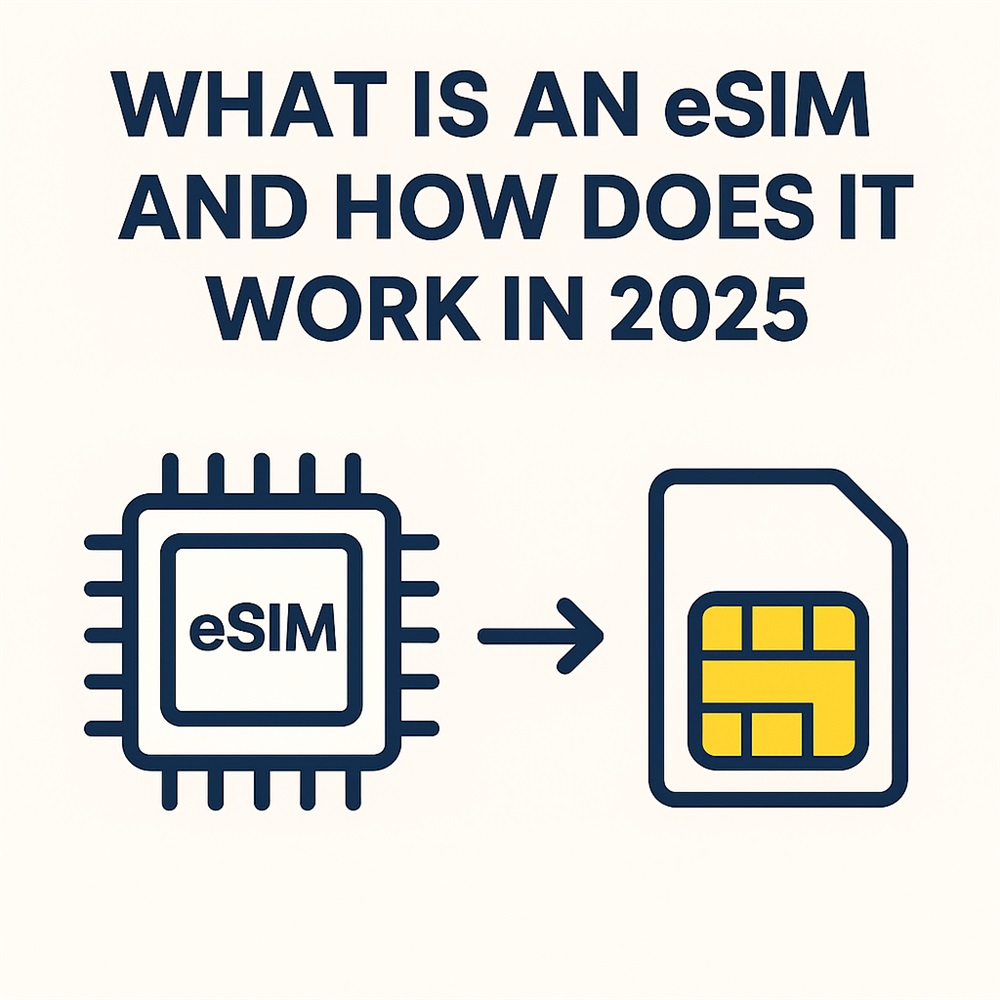
An eSIM (short for embedded SIM) is a digital version of the traditional physical SIM card — but instead of a removable plastic card, the eSIM is built directly into your device’s hardware.
Essentially, when you buy a regular SIM card, you receive a tiny chip that stores your subscriber identity and credentials for connecting to a mobile network. eSIM does the same job — but since it is embedded, there’s no need to insert or swap a card when you change carriers or travel abroad.
Because of this, many modern smartphones, tablets, and even wearable devices support eSIMs.
Here’s a high-level overview of how an eSIM works:
Remote SIM Provisioning (RSP): Instead of manually inserting a SIM card, your carrier (or eSIM provider) sends a SIM profile over-the-air (OTA). This profile is downloaded and stored on the built-in eSIM chip.
Multiple Profiles Supported: One eSIM chip can store multiple carrier profiles (e.g. home carrier, travel eSIM, business line) — and you can switch between them without swapping a physical SIM card.
Instant Activation: Once you receive a QR code or activation instructions from the provider, you scan or enter the details on your phone, which downloads and installs the eSIM profile. Afterwards you’re connected like with a normal SIM.
Carrier Authentication: Just like a physical SIM, the eSIM contains unique identity info (like IMSI, ICCID internally) to authenticate you with the network operator.
In short: the eSIM does everything a regular SIM does — but digitally and more flexibly.
Why eSIM Is Especially Useful in 2025
By 2025, eSIM technology has matured and become widely supported. That brings several clear advantages for everyday users and travelers:
Convenience & Speed: You no longer need to hunt for a local SIM store when traveling. With providers like RORO eSIM, you can buy and install a travel SIM online, receive a QR activation, and be connected as soon as you land.
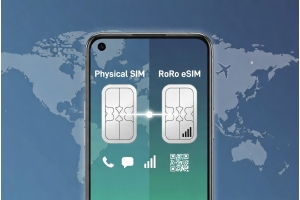
Dual-SIM / Multi-Profile Flexibility: Many phones allow a physical SIM and an eSIM simultaneously — meaning you can keep your main number active while using a travel data line when abroad. RORO highlights this as a key benefit.
Eco-Friendly and No Plastic Waste: Because there’s no physical SIM to ship or discard, eSIMs reduce plastic waste and make travel more sustainable. This “digital SIM” model fits well with a global push toward greener tech.
Global Coverage for Travelers: Services like RORO offer connectivity in 200+ countries via many local network partners — ideal for global travelers, digital nomads, or frequent flyers.
Flexible, Pay-As-You-Go or Unlimited Plans: Instead of a long-term contract, many eSIM providers let you pick what you need — data size, duration, hotspot allowance — giving more control over costs and usage.
Because of these benefits, eSIM is increasingly seen not just as a convenience, but as the future standard for mobile connectivity.
Take RORO eSIM — as a data-only, travel-oriented eSIM provider, RORO lets you:
Purchase online before you travel
Receive a QR code or activation info instantly
Install the eSIM profile on your device with a few taps
Keep your home SIM (if you want) active for calls or texts, while using the eSIM for internet/data abroad
Use in 200+ countries thanks to many partner networks
Many travelers report that RORO worked “immediately upon landing” — the eSIM downloaded quickly, data connected, and browsing/streaming/messaging all worked without issue.
This kind of user experience shows the practical advantage of eSIM over traditional SIMs, especially for those who travel often or need reliable global data.
What to Check — Limitations & Considerations
While eSIM is very powerful, there are a few caveats to be aware of:
Device Compatibility: Not all phones or devices support eSIM. Older or SIM-locked devices may not work.
Plan Details Matter: Some “unlimited” eSIM data plans may include fair-use limits or hotspot/day caps (depending on provider) — so always check plan fine print with providers like RORO.
Switching Devices Is Less Flexible: Transferring an eSIM from one phone to another may require reactivation or support — not quite as plug-and-play as swapping a physical SIM.
Coverage in Remote Regions: While eSIM providers cover many countries, actual coverage depends on local operator networks — in remote or rural areas network quality may vary.
In 2025, eSIM isn’t just a novelty — it’s a practical, efficient, and increasingly mainstream way to stay connected worldwide. Thanks to providers like RORO eSIM, travelers, business users, and everyday smartphone users can enjoy global connectivity, flexible data plans, and instant activation without dealing with physical SIM cards or roaming headaches.